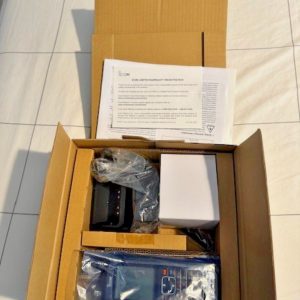
:::writingvariant="document" id="58314" ICOM IC-A25N Handheld NAV/COM Transceiver w/ Bluetooth – Open Box: Portable Aviation Radio The ICOM IC-A25N Handheld NAV/COM Transceiver w/ Bluetooth – Open Box is designed for aviation users seeking a capable portable radio that can support communication and navigation-related operations. An open-box ICOM transceiver can be attractive to buyers who want dependable features while reducing the cost of purchasing professional aviation equipment. The ICOM IC-A25N Handheld NAV combines practical portability with features intended to support situational awareness and reliable aviation operations. The ICOM IC-A25N Aviation Radio offers portable flexibility for aircraft owners who do not want to rely exclusively on panel-mounted communication equipment. The ICOM IC-A25N Handheld Radio can be carried conveniently in a flight bag, stored as backup cockpit equipment, used during preflight activities, or assigned to aviation personnel who require portable communication. As a Handheld NAV/COM Aviation Transceiver, the unit combines portable communication with navigation-related functions in one organized device. Whether the intended use involves a Handheld Aviation Radio, Aviation NAV/COM Radio, Pilot Handheld Radio, or Aircraft Communication Radio, dependable battery and antenna performance remain important. For many operators, the radio can combine the roles of Portable Aviation Transceiver, Aviation Communication Device, Handheld Aircraft Radio, and emergency backup equipment.
Why Pilots Choose the ICOM IC-A25N Handheld Radio
The ICOM IC-A25N is designed to provide aviation communication and navigation-related functionality in a portable enclosure suitable for cockpit, ramp, hangar, training, and emergency use. A handheld NAV/COM platform can serve as primary portable equipment in suitable operations or as supplementary equipment alongside panel avionics. Portable equipment should be treated as part of a complete communication plan rather than a guaranteed replacement for every installed avionics function. Pilots should test the radio during routine conditions and become familiar with its operation before expecting to use it during an urgent situation.Benefits of the ICOM IC-A25N Handheld NAV
A handheld NAV radio can be valuable to flight instructors who demonstrate aviation communication and navigation concepts during training. Students may practice menu navigation, frequency entry, memory organization, display interpretation, and accessory setup in a controlled setting. Users should understand which functions are intended for reference, communication, navigation support, training, or emergency use. The radio should be stored securely so it does not interfere with controls, visibility, passengers, or emergency egress.Benefits of an ICOM IC-A25N Aviation Radio
Aviation professionals can carry the IC-A25N when moving between aircraft instead of depending entirely on equipment installed in one cockpit. Pilots attending fly-ins or traveling through unfamiliar airports may appreciate having portable access to communication frequencies. Current photographs should show the radio body, display, controls, connectors, antenna, battery, charger, packaging, and included components. Remote buyers may request a video showing startup, menu operation, button response, audio output, charging status, and physical condition.ICOM IC-A25N Handheld Radio Applications
A compact radio can remain in a flight bag alongside headsets, charts, flashlights, batteries, and other essential pilot equipment. Responsible storage preserves physical condition and improves the likelihood that the radio will function correctly when needed. Portability also allows the radio to be charged and configured away from the aircraft, helping pilots prepare frequencies and settings before entering the cockpit. Proper storage temperature and periodic charging can help preserve long-term battery and equipment performance.Using a Handheld NAV/COM Aviation Transceiver
The device may be especially valuable to pilots who operate older aircraft, rented aircraft, or airplanes with limited redundancy. Users should consider how frequently the radio will be carried, whether Bluetooth is required, and which accessories are needed for their aircraft or headset. The radio should be inspected before every important flight for battery charge, antenna security, control response, display condition, volume setting, and physical damage. An equipment log may be helpful for flight schools, shared aircraft, or aviation businesses where several users handle the same device.Handheld Aviation Radio for General Aviation
General aviation users may carry a portable radio during training flights, cross-country operations, maintenance, aircraft repositioning, and airport events. Pilots should avoid assuming that an unused radio stored for years will operate correctly without battery care and periodic testing. Accessories such as approved headset connections or suitable external antenna arrangements may influence convenience and performance. Professional radio discipline includes listening carefully, transmitting clearly, using appropriate terminology, and keeping messages relevant.Aviation NAV/COM Radio Functions
An integrated aviation radio can provide a convenient secondary tool during flight planning, cockpit preparation, and selected in-flight operations. Menu familiarity, memory organization, display interpretation, audio control, and Bluetooth setup can improve efficient operation. Users should distinguish between convenience features, backup capability, training value, and equipment required for a particular flight. The antenna should be attached properly and protected from interference with controls or cockpit movement.Pilot Handheld Radio Applications
A Pilot Handheld Radio offers flexibility to aviation professionals whose work involves several aircraft, airports, and operational environments. Good cockpit organization reduces workload and prevents backup equipment from becoming difficult to reach when needed. Pilots can include the handheld in periodic proficiency exercises without making unauthorized or unnecessary transmissions. Pilots may consider carrying an appropriate backup power option when supported by the equipment and mission requirements.Aircraft Communication Radio Benefits
The IC-A25N can become part of an organized communication strategy for private pilots and aviation businesses. Professional communication practices improve the effectiveness of both installed and handheld radios. Understanding environmental limitations helps pilots choose the best practical location and operating method. The radio should be protected from impact, vibration, liquid exposure, extreme temperature, and damaged accessories.Using a Portable Aviation Transceiver
The ability to carry the radio personally helps operators maintain access to familiar controls and stored settings. A protective case can separate the radio from tools, keys, metal objects, liquids, and heavy equipment inside a flight bag. Wireless connectivity may help pilots integrate the radio into a preferred communication setup when paired equipment is supported and configured correctly. Pilots should avoid troubleshooting complicated pairing issues during high-workload phases of flight.Aviation Communication Device for Professional Use
A professional handheld radio may serve private pilots differently from flight schools, maintenance shops, airport staff, or commercial operators. The seller should explain the product’s status and disclose any evidence of use, missing materials, registration, or cosmetic handling. Professional users may maintain records of radio assignment, charging, inspections, damage, accessory inventory, and battery replacement. Training should cover normal communication, navigation-related functions, emergency use, battery care, Bluetooth setup, and storage.Choosing a Handheld Aircraft Radio
The radio’s portable form allows pilots to monitor or communicate without remaining seated at the aircraft instrument panel. Using the radio on the ground can preserve aircraft battery power and reduce the need to energize installed avionics solely for monitoring or coordination. A handheld radio should not be placed on an unstable surface where turbulence or maneuvering could send it across the cockpit. Charging ports and connectors should remain dry and free from debris before accessories are attached.Choosing an Aviation Navigation Radio
Navigation functions can add value during training, planning, route familiarization, and backup preparation when used appropriately. Competent use comes from practice, realistic expectations, and integration with established navigation procedures. A handheld radio should not be treated as a substitute for equipment or procedures required by regulation, aircraft approval, or operating conditions. A radio that has not been used recently may require charging, configuration review, Bluetooth reconnection, and accessory inspection.Maintaining an ICOM Pilot Radio
The radio may also suit instructors, aircraft technicians, flight departments, and airport operations personnel who require portable communication equipment. A complete and well-documented package get more info can be more valuable than a lower-priced unit missing essential equipment. Aviation students may prioritize ease of learning, while experienced pilots may focus on backup capability, portability, and integration. Responsible ownership allows an ICOM Pilot Radio to remain a useful communication and navigation resource for many aviation activities.Choosing an Emergency Aviation Radio
The IC-A25N can become part of a broader emergency equipment strategy appropriate to the aircraft, route, environment, and pilot’s needs. The radio should be positioned where it can be reached without searching through baggage during an urgent situation. Emergency preparation may include checking battery endurance, carrying an appropriate backup power source, protecting the antenna, and confirming headset compatibility. The radio should be tested periodically without making unauthorized transmissions or interfering with operational frequencies.Using a Backup Aircraft Radio
A portable radio may also support communication when an aircraft is on the ground with its electrical system disconnected or undergoing avionics maintenance. Pilots should confirm charge status, antenna attachment, audio output, Bluetooth pairing, memory organization, and accessibility. Each audio method should be tested in advance under realistic cockpit noise conditions. With thoughtful preparation, a Backup Aircraft Radio can provide valuable confidence without creating unnecessary cockpit complexity.Buying an Open-Box ICOM IC-A25N
Buyers should review the radio body for scratches, cracks, missing labels, damaged controls, loose components, or wear around frequently handled areas. The package should be compared with the seller’s inventory to confirm the radio, battery, antenna, charger, adapters, clip, documentation, packaging, and other included accessories. Functional testing should include power-on behavior, charging, control response, display operation, speaker audio, microphone function where appropriately tested, and accessory recognition. The buyer should inspect the radio promptly after delivery and report any missing items, damage, or functional concerns according to the agreed terms.Protecting ICOM IC-A25N Reliability
A handheld aviation radio can provide many years of useful service when it is protected from impact, moisture, heat, contamination, and careless storage. Occasional-use radios should still receive periodic checks because batteries and electronic components can deteriorate during inactivity.- Inspect the radio body, display, antenna, battery, charger, controls, connectors, clips, cables, and included accessories before important operations.
- Review essential controls on the ground so the radio can be operated confidently without unnecessary cockpit distraction.
- Record any missing component, operating concern, battery issue, or required service before returning the radio to backup status.